
Sports
Schlossman: Analytics show where UND's defensive issues stand
By Sofia Martinez
Advertisement · Why this ad?
Carlos Martinez, a former sports anchor for Fargo's local NPR affiliate, has been reporting on professional sports for over eight years. He holds a journalism degree from the University of Minnesota and is known for his sharp insights into the local professional teams.
More from Carlos →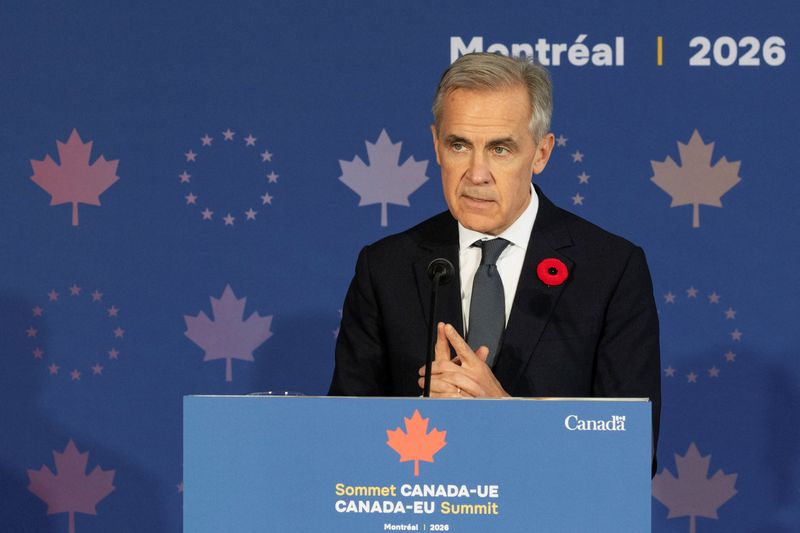
As the cold winds of winter begin to sweep across Canada, a different kind of chill is settling over the world of ice hockey. Prime Minister Mark Carney stood resolutely before reporters, his words echoing with a firm resolve that reverberated far beyond the frosty rinks of Alberta. With the world junior ice hockey championships just around the corner, Carney made it clear: athletes from Russia and Belarus will not be allowed to compete. This decision, rooted in the ongoing conflict in Ukraine, highlights not just a political stance but a commitment to values that resonate deeply within the heart of the Canadian community.
On November 3, 2023, Prime Minister Carney announced that Canada would bar Russian and Belarusian athletes from participating in the upcoming world junior ice hockey championships, scheduled to take place from late December to early January in Alberta. This decision follows Canada’s staunch support for Ukraine amid its ongoing war with Russia, a conflict that has drawn international condemnation and solidarity with the Ukrainian people.
Carney emphasized the moral imperative behind this decision: “While Russia and Belarus are supporting this illegal, unjustified, horrific war in Ukraine, as long as that’s going on, there will be none of those athletes competing for their countries in Canada.” His words not only reflect a political stance but also resonate with the values of integrity and justice that many Canadians hold dear.
This announcement comes on the heels of a controversial ruling by the Court of Arbitration for Sport, which had previously permitted Russian athletes to compete in International Ice Hockey Federation events. Canada’s rejection of this decision underscores its commitment to standing firm against the backdrop of geopolitical turmoil, where sports and politics often intertwine.
The reaction from the hockey community has been overwhelmingly supportive of the Prime Minister’s decision. Fans, players, and officials alike have rallied around the notion that sports should not be a platform for nations that engage in aggression against others. Many see this as a necessary step to uphold the integrity of the sport and to send a clear message about the values that Canada represents.
Local hockey enthusiasts expressed their approval, with one passionate fan noting, “Hockey is about unity and sportsmanship. Allowing players from Russia and Belarus would send the wrong message to our young athletes about accountability and the consequences of aggression.” This sentiment reflects a broader understanding within the community that sports should not only entertain but also embody the values of respect and justice.
Moreover, national ice hockey federations from Norway, Denmark, Sweden, and the Czech Republic have echoed Canada’s stance by refusing to play against Russia in the upcoming men’s Ice Hockey World Championship in Germany. This collective action signifies a unified front among nations that prioritize ethical considerations over mere competition.
This decision is more than just a sports-related issue; it speaks to the core values of commitment and integrity that resonate deeply within Canadian society. In a world increasingly fraught with division, Canada’s stance serves as a reminder of the importance of standing up for what is right, even when it is not the easiest path to take.
For many families in Canada, sports are a cherished tradition that fosters community spirit and brings people together. The decision to bar Russian and Belarusian athletes from the world junior championships reinforces a commitment to these values, ensuring that the competition remains a celebration of unity rather than a platform for political strife.
As the world watches, this decision may very well set a precedent for how sports organizations navigate the complex interplay of politics and competition in the future. The ripple effects of Canada’s actions could influence other nations and sporting bodies, encouraging them to consider the ethical implications of their decisions.
With the world junior ice hockey championships fast approaching, the focus will now shift to how this decision will impact the tournament itself. Canadian fans are gearing up for what promises to be an exciting event, filled with young talent eager to showcase their skills on the international stage. The absence of Russian and Belarusian athletes will undoubtedly change the dynamics of the competition, but it also opens the door for new narratives and rivalries to emerge.
As the tournament unfolds, spectators can expect to see a heightened sense of camaraderie among the participating nations, united in their shared values and commitment to fair play. The Canadian community will undoubtedly rally around their young athletes, instilling in them the importance of integrity both on and off the ice.
In the larger context, Canada’s decision may also prompt discussions about the role of sports in addressing global issues. As fans cheer for their teams, they will also be reminded of the broader implications of their support and the values they wish to promote through their beloved sport.
In addition to the national response, local hockey clubs in communities across Canada are feeling the impact of this decision. Coaches and parents are engaging in conversations about what it means for their players, emphasizing the importance of understanding the political landscape surrounding sports. For instance, the Fargo Hockey Association has organized discussions about sportsmanship and ethics in hockey, encouraging young players to think critically about the implications of their sport in a global context.
Local figures, such as former players and community leaders, are also stepping up to voice their support for the decision. They recognize that hockey is more than just a game; it is a vehicle for teaching values such as respect, teamwork, and accountability. These discussions are crucial for fostering a generation of athletes who are not only skilled on the ice but also socially conscious off it.
For those in the Fargo area looking to engage with local hockey culture, several resources are available. The Fargo Hockey Association provides information on youth leagues and upcoming events. Additionally, the City of Fargo offers various recreational programs for families interested in getting involved in hockey and other sports.
Furthermore, local ice rinks, such as the FargoDome, are great venues for families to enjoy hockey games and community events. Engaging with these resources not only fosters a love for the sport but also strengthens community bonds.
As we look ahead to the world junior championships, let’s remember the spirit of unity and commitment that defines our communities. Whether on the ice or in our neighborhoods, the values of integrity, family, and support for one another remain paramount. In this ever-changing world, let’s continue to champion these ideals, ensuring that our actions reflect the principles we hold dear.
By Sofia Martinez

By Tyler Jensen

By Carlos Martinez

By Tyler Jensen