China’s solar push reshapes traditional ways of life on Tibet’s high plateau
Sofia Cheung is a dedicated community reporter with a focus on social issues affecting the Fargo area. A graduate of North Dakota State University, she has spent the last four years reporting for local networks, ensuring that underrepresented voices are heard.
More from Sofia →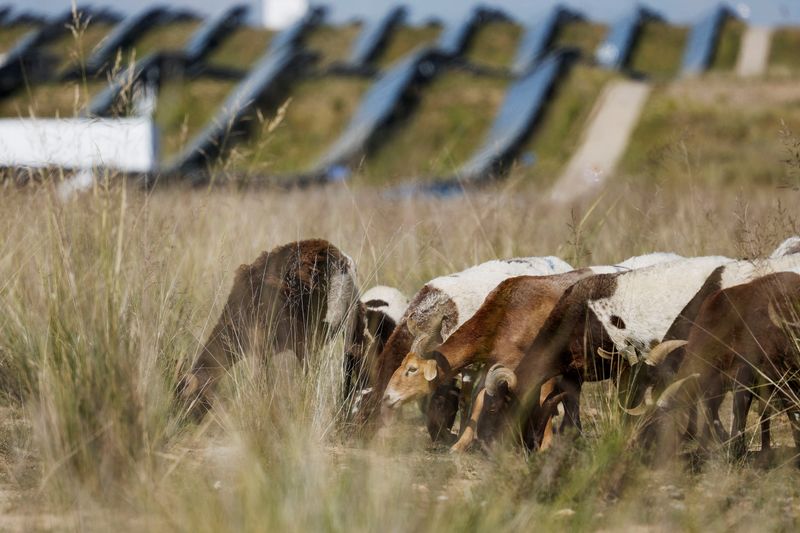
In this story
On a crisp morning in Gonghe, a small county nestled in the heart of the Qinghai-Tibet plateau, shepherds are witnessing a remarkable transformation in their daily lives. As the sun rises over the stunning landscape, 25-year-old Li Yonglin opens the gate to his sheep pen, allowing his flock to roam freely within a sprawling solar park. This innovative integration of renewable energy and traditional shepherding has not only simplified their daily routines but also significantly boosted their incomes, creating a new chapter in the lives of these plateau dwellers.
What Happened
In recent years, China has embarked on an ambitious initiative to diversify its energy mix, leading to the installation of solar panels across the high plateau. By July, state media reported that 6,330 households in five townships had benefited from 56 grazing sites in Hainan, a culturally Tibetan region that encompasses Gonghe. The solar parks, sprawling over 148,000 acres, are designed to harness the plateau’s abundant solar energy potential while providing grazing areas for local shepherds.
Li Yonglin, who once struggled to make ends meet, now estimates his annual earnings have soared from 10,000 yuan to 60,000 yuan ($7,496.14 to $8,995.37) thanks to this new approach. “It has made grazing much easier for us,” he said, reflecting on the newfound freedom and financial stability that the solar parks have afforded him. The sheep return home on their own each evening, allowing him to focus on other aspects of his life and livelihood.
However, while the economic benefits are evident, the rapid expansion of solar projects has raised concerns about the impact on traditional ways of life. Researchers warn that the transformation of grazing lands into solar farms is eroding the cultural heritage of nomadic communities that have thrived in this region for centuries. Tsewang Dorji, a researcher at the Tibet Policy Institute, noted that the integration of livestock and solar infrastructure is not without its challenges.
Community Reaction
Many in the community are torn between the allure of increased income and the preservation of their traditional lifestyles. Wen Yujun, a 43-year-old shepherd, expressed a sense of amazement at how his life has changed. Managing a herd of 700 to 800 sheep, he now earns approximately 80,000 yuan annually, an eight-fold increase from previous years. “I never could have imagined it before,” he said, highlighting the profound impact that the solar parks have had on his livelihood.
However, not all shepherds share this sentiment. Concerns have been raised about the fragmentation of grazing lands, which complicates the task of monitoring livestock. The installation of solar panels has made it increasingly difficult for herders to navigate their traditional grazing routes, leading to a disconnection from the land that has sustained their families for generations. Mandie McKeown, advocacy director at the Foundation for Gaia, noted that while some nomads are allowed to graze their sheep in solar parks, goats and yaks are generally excluded, rendering their traditional practices increasingly untenable.
Environmental Concerns
The environmental implications of these solar projects are also significant. Reports have indicated that the construction of photovoltaic power stations has damaged grasslands, leaving livestock with insufficient grazing material. An undated complaint from 2017 highlighted the adverse effects of solar farms on local ecosystems, although authorities dismissed the claims after an investigation. This ongoing tension between renewable energy development and environmental conservation underscores the complexities of modernizing traditional lifestyles.
What's Next
As China continues to expand its solar energy initiatives, the future of pastoral life on the Qinghai-Tibet plateau remains uncertain. While the economic benefits are clear, the cultural and environmental costs of these developments must be carefully considered. The government’s commitment to increasing solar and wind power generation by 53% over the next five years raises questions about the long-term sustainability of nomadic lifestyles in the region.
Local authorities have yet to engage meaningfully with the concerns of the shepherds, leaving many feeling marginalized in the decision-making process. The integration of renewable energy projects into their traditional grazing lands has not been accompanied by sufficient dialogue or support for the communities affected. As researchers and advocates continue to voice their concerns, it is essential for the government to strike a balance between energy development and the preservation of cultural heritage.
Community Impact
The changes brought about by the solar projects have sparked a broader conversation within the community about the value of tradition versus modernization. For many, the allure of a more stable income is tempered by the fear of losing their cultural identity. The plateau, often referred to as “the roof of the world,” has long been home to nomadic communities whose way of life is deeply intertwined with the land.
As shepherds like Li Yonglin and Wen Yujun navigate the complexities of this new reality, they are also redefining what it means to be a part of their community. The solar parks represent not only a shift in energy production but also a transformation in the social fabric of the region. Families are beginning to adapt to a new rhythm of life, one that balances the demands of modernity with the cherished traditions of their ancestors.
Preserving Cultural Heritage
To ensure that the cultural heritage of the Tibetan nomads is not lost in the tide of progress, community leaders and advocates are calling for more inclusive policies that prioritize the voices of local residents. As the government pushes forward with its renewable energy agenda, it is crucial to incorporate traditional knowledge and practices into the planning and implementation of solar projects. By fostering collaboration between energy developers and local communities, it is possible to create solutions that honor both economic growth and cultural preservation.
Conclusion
As the sun sets over the high plateau, casting a warm glow over the solar panels that now dot the landscape, the shepherds of Gonghe stand at a crossroads. The promise of increased income and modern conveniences is tempered by the challenges of adapting to a rapidly changing world. In their quest for a brighter future, they must navigate the delicate balance between embracing new opportunities and safeguarding the traditions that have defined their lives for generations. The story of Gonghe is one of resilience and adaptation, reflecting the broader narrative of communities around the globe facing the dual pressures of modernization and cultural preservation.