Schools
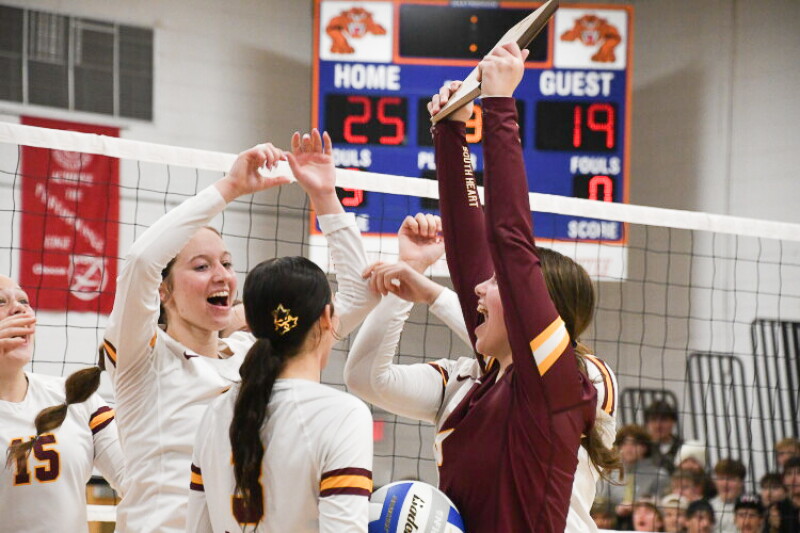
South Heart completes perfect district season with championship sweep of Beach
By Emily Chang
Advertisement · Why this ad?
Tommy Anderson is a community reporter with a knack for uncovering local stories that matter. He has a journalism degree from Minnesota State University Moorhead and has reported for several local news organizations over his eight-year career.
More from Tommy →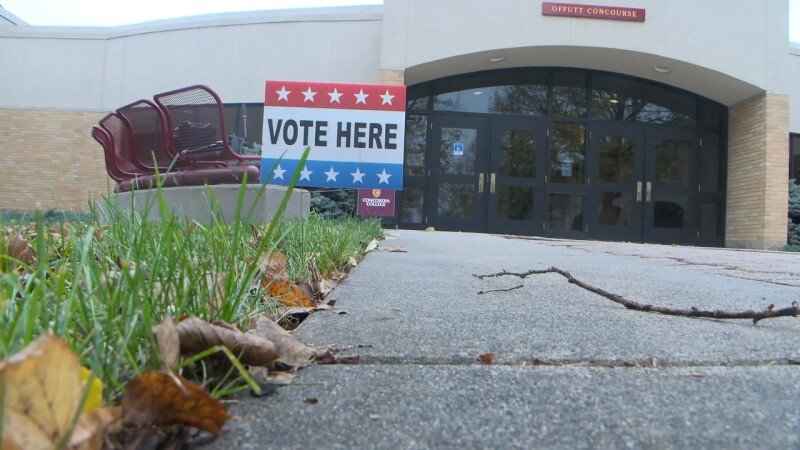
On a brisk November afternoon, the campus of Minnesota State University Moorhead buzzed with energy as students made their way to the polls. Among them was Jess Breiner, a Concordia College student who paused to reflect on her reasons for voting. "I would say affordability. I drive home from school; it's about three hours, and so gas prices are a lot, grocery prices are a lot," she shared, her voice echoing the sentiments of many young voters this election season. As the midterm elections approached, it became clear that issues of economic strain were weighing heavily on the minds of younger Americans.
In the 2022 midterm elections, only about a quarter of 18- to 24-year-olds participated, a stark contrast to nearly two-thirds of those aged 65 and older. This trend highlights a troubling gap in civic engagement among younger voters. As Election Day approached on November 3, 2022, WDAY spoke with students at MSUM and Concordia College, where affordability emerged as the predominant concern. Hannah Decko, another MSUM student, articulated this anxiety, stating, "I think with, like all the taxes rising, the gas prices, just there's a lot of stuff going on right now in the world. I think, like, my vote really matters." These voices reflect a generation grappling with economic realities that shape their view of the world and their role within it.
Polling places in Cass County remained open until 7 p.m., while those in Moorhead closed at 8 p.m., providing ample opportunity for students to make their voices heard. The focus on affordability resonates beyond personal anecdotes; it underscores a broader trend affecting young Americans across the nation.
The low turnout among young voters is a recurring theme in American elections. According to the U.S. Census Bureau, youth turnout has historically lagged behind older demographics, raising questions about the effectiveness of outreach efforts aimed at this crucial voting bloc. As economic pressures mount, such as rising tuition costs, housing expenses, and inflation, the urgency for young voters to engage in the political process becomes increasingly apparent.
In Fargo-Moorhead, local organizations and educational institutions have recognized the importance of addressing these issues. Initiatives aimed at increasing voter registration and participation among young people are essential to fostering a politically engaged generation. Schools like Concordia College and MSUM have begun to implement programs that encourage civic participation, making voting more accessible and relevant to students.
Affordability encompasses a wide range of issues, from the cost of education to everyday living expenses. With rising gas prices and grocery costs, students like Breiner and Decko are not just concerned about their immediate financial situation; they are also looking at the long-term implications of these economic trends. The impact of inflation has been felt nationwide, but it resonates particularly strongly with those just starting their careers or pursuing higher education.
According to the Bureau of Labor Statistics, inflation rates have surged, affecting everything from food prices to transportation costs. This economic backdrop has led many young voters to prioritize candidates and policies that address these pressing issues. As they head to the polls, their votes carry the weight of their lived experiences and aspirations for a more affordable future.
The voices of young voters are critical in shaping the future of local and national policies. Their concerns about affordability are echoed in conversations across Fargo-Moorhead, where community leaders are beginning to take notice. Organizations like the City of Fargo and local nonprofits are exploring ways to engage younger constituents in meaningful dialogue about their priorities.
Local leaders have expressed their commitment to addressing the affordability crisis, understanding that the future of the community hinges on the active participation of its younger members. For instance, Fargo Mayor Tim Mahoney has emphasized the need for affordable housing initiatives, recognizing that young professionals often struggle to find suitable living arrangements within their budgets. As young voters step into their roles as informed citizens, they bring fresh perspectives that can influence local governance and policy direction.
In response to the concerns of young voters, several community organizations have launched initiatives aimed specifically at engaging this demographic. The FargoDome has hosted events that combine entertainment with civic engagement, encouraging students to learn about the voting process while enjoying live music and food trucks. These events are designed to create a fun and inviting atmosphere where young people can feel comfortable discussing their political concerns.
Additionally, local advocacy groups are working to create platforms for young voters to voice their opinions directly to elected officials. Town hall meetings and forums have become more common, allowing students to ask questions and express their views on issues that matter to them, such as student debt relief and affordable healthcare. These efforts are crucial in bridging the gap between young voters and their representatives.
As the dust settles from the midterm elections, the focus shifts to the future and how young voters can maintain their momentum. The upcoming elections, including the presidential race in 2024, present a critical opportunity for this demographic to advocate for their interests. Political parties and candidates must recognize the importance of engaging young voters on issues that matter most to them.
Efforts to increase voter turnout among young Americans will require innovative strategies that resonate with their values. This includes leveraging social media platforms, hosting community forums, and creating educational campaigns that simplify the voting process. By prioritizing affordability and other pressing issues, candidates can better connect with younger voters and encourage them to participate in the democratic process.
For those interested in getting involved, several resources are available to help young voters navigate the political landscape. Organizations like the Vote.org provide essential information on registration, polling locations, and voting rights. Additionally, local initiatives through the Minnesota Secretary of State offer resources specifically tailored to young voters.
Educational institutions are also stepping up, with programs designed to empower students to engage in the electoral process. Workshops, seminars, and voter registration drives are just a few ways colleges and universities are working to ensure that young voices are heard loud and clear. As young voters continue to express their concerns about affordability, their active participation in shaping policies will be crucial for a sustainable future.
By Emily Chang

By Emily Chang

By Jake Thompson

By Sofia Cheung